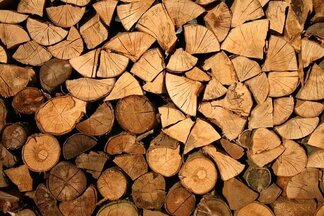
Wood scraps are the persistent leftovers of passion. They accumulate in edges, hide under benches, and gather dirt until a person with a bit of creative imagination turns them into something helpful. I've been saving cutoffs for years, and the best ideas generally emerge when I'm attempting to avoid a trip to the lumberyard. The best offcut ends up being a jig, a handle, a small shelf that fits a weird area, or a present that resembles it came from a shop. If you desire imaginative woodworking ideas that appreciate your budget plan and your shop floor, start with what you have actually got.

This is a guidebook to collaborating with scraps, from wise sorting and vital tools for woodworking to particular do it yourself crafts and ideas that punch much over their weight. I'll share what holds up, what falls short, and the little store habits that make scrap work fast and clean. Whether you're developing beginner woodworking projects or pressing innovative woodworking techniques, scraps are your best teacher. They don't cost you a lot, and they forgive mistakes.
Sorting scraps like a pro
The distinction between disorder and a steady stream of do it yourself woodworking projects is your sorting system. I keep 3 bins: hardwood, softwood, and sheet products. Hardwood scraps become handles, cutting boards, small furniture components, and accents like inlay or side banding. Softwood turns into cleats, jigs, paint stirrers, and utility items such as yard pens. Plywood and MDF cutoffs are excellent for design templates and shop components. Anything shorter than a handspan enters into the kindling box unless it's unique grain or a matching offcut from a bigger item, due to the fact that consistency matters when you're making sets.
Clean ends issue. Square both ends prior to you keep a piece. This way, when motivation strikes, you aren't spending twenty mins truing the component. I scrawl varieties and density in pencil. It saves guesswork later on when I'm coupling color tone for a cutting board or trying to match sapwood. If you're major regarding cost effective DIY options, a couple of mins of company settles for years.
Tools that gain their keep on tiny work
Tiny projects spotlight your strategy. There's less space to hide a space. You don't need a complete shop, however. A small collection of hand tools for DIY projects and a couple of power devices for home improvement will certainly take you much. You'll see a thousand checklists of the most effective devices for woodworking, however when you're managing scraps, these shine.
- A block airplane with a sharp iron. It cuts end grain, eases sides, and flushes joints. For a woodworking hand devices guide, I would certainly place this near the top. A fine-tooth backsaw. Splits small supply exactly where a round saw really feels clumsy. A low-speed random-orbit sander, 5 inch. With 120, 180, 220 grits you can prep practically any kind of surface. A drill/driver with a tidy collection of brad-point little bits. Brad factors situate flawlessly on tiny parts. A flush-cut saw or a flexible pull saw for cutting dowels and plugs without marking the surface.
Beyond that core, I reach for specialist woodworking devices just when the work needs repeatability. A benchtop bandsaw carves contours from little blanks with much less waste, and a small router with a round-over bit cleanses edges without burning, yet you can complete a whole lot with hand tools if you're careful. The real leading woodworking devices are the ones you understand well and keep sharp.
If you're setting up a do it yourself device package from scratch, avoid gizmo overload. Vital tools for carpentry are the ones that touch wood accurately: a noting blade, a square that stays true, and clamps you depend on. You can buy budget friendly tools for DIY that hold tolerance. I've seen costly equipment collect dust while somebody with midrange tools does much better work just because they call their setup.
Smart safety on small stock
Working little items introduces risks you don't see in larger builds. Keep your distribute of spinning paths. I use a bench hook, a capturing board, and push obstructs frequently. On the sander, begin with light stress and allow the paper do the job or you'll round corners inadvertently. Use painter's tape to gang up thin pieces for drilling or fining sand so they do not fly off. When directing or fining sand sides, feed with the grain to stay clear of removing little portions. For gluing, a silicone floor covering and a few spring clamps save mess and time.
Ten scrap jobs that actually obtain used
I have actually built a lot of weird stuff from leftovers, but these gain their keep. They range from very easy do it yourself home projects to refined pieces that look custom.
1. The truthful reducing board
Everyone builds one ultimately, and a scrap-board variation ends up better than it sounds. Use hardwoods, not softwoods, and stay clear of open pores like red oak for wet tasks. Maple, walnut, cherry, and beech act well. Glue flatsawn strips with rotating development ring orientation to decrease cupping. Aim for a thickness between 3/4 and 1 inch. Keep clamps spaced simply close adequate to create an also squeeze-out. After healing, scratch glue, aircraft or sand flat, and break edges with a block airplane. Do with mineral oil or a board cream. This is a staple of DIY furniture jobs due to the fact that it's quick, eye-catching, and teaches you https://www.toolazine.com/ just how timber moves.
Common failing settings: misaligned strips that telegram as waves after fining sand, and starving the joints by overclamping. If the board warps, flatten with an angled planing pattern or, if you must, a light cross-grain belt sand pass prior to the last grits.
2. Peg shelfs and access organizers
Short items become hooks, secures, and tiny shelves. A straightforward wall rack with 5 dowel fix pins fixes mess. I pierce 3/4 inch holes at a five-degree higher cant so bags do not move off. If you desire a small shelf, reduced two triangular brackets from the exact same board for color match. Usage keyhole ports or a french cleat if the tons is much heavier. This is where power devices for home renovation and hand devices tremble hands: precise drilling with a drill press or a steady hand, after that a quick cleaning pass with a chisel.
3. Tea-light and bud vases
Dense hardwood offcuts make stylish candle holders. Split the piece to the width you want, then make use of a 1.5 inch Forstner bit to sink the tooth cavities to a consistent deepness, regarding 1/2 inch. Chamfer the leading sides either with a block aircraft or a bearing-guided router little bit. For bud flower holders, drill a smaller sized hole and insert an examination tube or glass vial. Slim rubber grommets seat the glass without rattling. Even a harsh item looks fine-tuned with sharp edges and a consistent finish.
4. Cabinet pulls and cabinet knobs
Factory draws look penalty, however absolutely nothing beats a manage that matches the grain of your task. Glue 2 thin scraps face to face with the grain mirrored to strengthen the space. Shape with a spokeshave or rasp. Drill a centered pilot hole prior to last shaping so you do not chase placement later. I such as a little wedge of contrasting timber as an inlay accent. If you need lots of, established an easy sanding jig to maintain profiles constant. These are quintessential devices for crafting furnishings, where straightforward geometry plus excellent finish equates to costs feel.
5. Charging stand for phone and watch
Plywood offcuts make a tidy desk stand. Cut 2 items, one upright back and one base, join with a superficial dado or pocket screws, after that skin the revealed ply edges with wood veneer strips from your scrap container. Drill a port hole for cable televisions and cut a superficial trench on the bottom for transmitting. A cork pad on the base maintains it put. This item is a cool blend of DIY home renovation ideas and small electronic devices management.
6. Picture frames and shadow boxes
Short trim ends up being structures, and the best woodworking prepare for frameworks are easy. Miters require precision. A shooting board and a donkey's ear attachment square the cuts. Reinforce with splines from contrasting timber. If your scrap size varies, rip them to match on the table saw, after that stack cut to maintain identical lengths. Use acrylic panes reduced to size with a fine-tooth blade if glass cutting isn't in your comfort zone. Seal the timber lightly, after that wax for a soft gloss. Structures are a good way to practice step-by-step DIY guides in your very own head: cut, shoot, adhesive, spline, sand, finish.
7. Coasters with personality
I develop coasters from wood book-matched pairs and add a port for a brass inlay. The brass comes from pastime shop flat bar, epoxied right into a superficial groove. Sand flush and oil. Glue cork sheet on the bottom and trim with a knife. They're fast, they sell well at craft fairs, and they drain unpleasant slim scraps.
8. Natural herb markers and garden caddies
Softwood offcuts take paint well. Cut 1 inch by 8 inch sticks with angled tops, prime, and hand-letter with an outside paint pen. For a garden caddy, nail with each other a straightforward open box with a dowel take care of. Scrap plywood becomes divider panels for trowel, twine, and handwear covers. It's an enjoyable DIY horticulture job and a great use knotty, less-than-pretty boards.
9. Wall-mounted earphone hook
A little shelf and a bent hook keep headsets off the desk. Laminate flooring two thin layers, after that saw the contour and smooth it with a rasp. Mount on a backplate with two screws. A really felt pad secures the headband. It's easy, but forming the curve teaches control.
10. The zero-clearance insert and shop jigs
Not glamorous, but crucial. Plywood scraps end up being zero-clearance inserts for your table saw, backing boards for drilling, crosscut sled fencings, and stop blocks. These are the unnoticeable heroes that press your accuracy up, and they're the appropriate training ground for innovative woodworking strategies like accurate dado fit and repeatable cuts. When individuals ask just how to begin woodworking, I often direct them to go shopping jigs first. Good jigs mean risk-free, tidy cuts, which unlock whatever else.
Finishes that flatter scraps
Small parts need coatings that behave predictably. On open-grain timbers like ash or oak, pore fill if you want a glassy surface area. On dense timbers such as maple or cherry, a wipe-on varnish or oil-varnish blend provides deepness without blotching. Shellac is rapid and flexible for interior objects. For moisture-heavy jobs like coasters and cutting boards, opt for a curing oil or a board-safe wax. Avoid film coatings on reducing boards. If you're making DIY decor ideas for a high-touch area, a waterborne polyurethane keeps color neutral and resists abrasion.
When blending types on one piece, test the coating on offcuts to stabilize tone. Walnut can go muddy with hefty oil; maple can yellow. In some cases the best relocation is a water-white topcoat to allow the comparison speak.
Joints that hold without drama
You do not need exotic joinery to make scrap develops last. For small racks and boxes, rabbet and dado joints are solid and quick. A limited dowel joint beats a sloppy mortise whenever. Spline-reinforced miters are both appealing and solid, specifically on structures. If you're using plywood, orient the joints to keep lengthy grain versus lengthy grain whenever feasible. On small components, glue control matters. Make use of a brush, a pin, or a syringe to place just what you require. Blue tape works as a clamp for light-weight assemblies. Tidy squeeze-out while it's rubbery, not wet and not totally cured.
Accuracy techniques that save scraps
Most issues in little tasks come from compounding tiny errors. Use story sticks. Mark parts with a blade rather than a pencil when you can; the blade provides the saw a groove to adhere to. Shoot end grain for excellent sizes. When fining sand, matter strokes per side so you don't round another than the various other. For duplicated boring, develop a fencing and a quit on your drill press or with a scrap jig on a portable drill. When gluing skinny strips, lay them on painter's tape, fold up like a book, adhesive, then wrap the tape tight. It keeps placement real and fingers clean.
These are the peaceful woodworking tips and methods that don't make showy headlines, yet they turn a half hour of store time into a positive result.
Designing with scraps in mind
Scraps require you to function within constraints, which is a difficult yet effective style instructor. Let the size of the offcut recommend the item. A narrow strip ends up being a towel bar spacer or a French cleat rail. A thick block can be resawn right into bookmatched faces. Keep proportion in mind. A layer rack looks far better with evenly spaced pegs evaluated one-third the height of the board's size from the top. A tiny rack hangs lighter if the bracket thickness is half the rack thickness. Repeating assists, as well. If you're mixing types, use one as the base and repeat the accent in at least 2 locations, like a spline and a plug.
Color comparison is a very easy win. Walnut against maple reads crisp. Cherry with ash really feels warm. Do not exaggerate it. 2 types often beat three on little items. Scraps also welcome pattern play: end-grain mosaics, striped trivets, or rotating chamfers. If you're taking advantage of creative woodworking ideas, build a set or a set. Sets boost little items right into a natural story.
Budget approach and sourcing add-ons
Working from scraps is already an affordable do it yourself strategy, yet there are smart locations to spend. Great sandpaper conserves hours. Quality adhesive matters. Tiny box equipment from credible manufacturers opens and shuts easily, that makes a tiny box feel costly. For accents, get brass poles, natural leather offcuts, and cork sheets. These companions transform bare timber right into completed item with minimal hassle. If you need much more selection, contact regional cabinet look for their offcut bins. Numerous will certainly let you transport away hardwood ends for the price of a coffee. Recovered timber lawns sometimes have short boards at a discount.
If you such as framework, purchase or illustration the best woodworking strategies you can find for tiny boxes, frameworks, and shelves, after that fine-tune dimensions to fit your stock. Strategies aren't a straightjacket. They're a starting point.
When little comes to be major: scaling up the techniques
Scraps let you exercise skills with low stakes. The same steps scale: knife lines, chisel control, side jointing, tidy glue-ups. Don't avoid advanced woodworking strategies on tiny items. Cut a practice dovetail on a 3 inch examination block. Try a hand-cut mortise and tenon on a jig deal with. Trying out curved lamination making use of thin offcuts and a straightforward homemade form. Your hands discover faster when the material expense is low.
If you're interested in woodworking for home improvement, the confidence you improve scrap fixtures carries right into larger builds like wardrobe shelving, mudroom benches, or built-ins. Those projects still count on limited joinery, clean sides, and reliable coatings. The small work sharpens the huge work.
Quick-start pathways for newcomers
People ask just how to begin woodworking without spending a fortune. Begin with one bench-height surface, decent lighting, and a small set of hand devices. Develop a bench hook, a fining sand block, and a mallet from your scraps. After that take on 2 or three beginner woodworking projects from the listing over. Keep goals narrow: a framework that is square within one millimeter; a shelf with the same peg spacing; a board that is level to the eye and to a straightedge. Videotape what worked. The journal becomes your personal woodworking hand devices overview, loaded with your very own resistances and habits.
As you expand, add one piece of gear each time. A random-orbit sander. A small router. Possibly a bandsaw if you love contours. Choose woodworking devices and devices based upon the job you delight in, not unclear positions of leading woodworking tools. A person who enjoys boxes needs a good capturing airplane and exact miter setup. Someone that favors DIY home improvement tips could prioritize a round saw with a track and a stud finder. Tools serve the job, not the various other means around.
Where to discover area and maintain learning
Small builds are social. They make perfect course projects. Search for woodworking workshops near me and you'll commonly locate weekend sessions on cutting boards, frameworks, and boxes. Neighborhood shops supply accessibility to expert woodworking tools and advisors. If you favor solo learning, select a couple of developers who show the process without beauty edits and develop along. Then take what you find out and riff with your very own scraps. Credibility beats specific copying.
A very little upkeep mindset
Scrap projects fast, and you desire upkeep to match. Choose coatings and equipment you can revitalize in mins. Oil-finished boards approve a clean of mineral oil whenever they look completely dry. Wall surface racks with keyhole places can be lifted off, sanded and re-waxed, after that rehung in the very same ports. Rollercoasters with cork backs can have the cork swapped in 10 minutes. If a knob fractures, utilize the very same jig to make a brand-new one and exchange it out. DIY repair services and maintenance end up being pain-free when you build with repeatability in mind.
A compact step-by-step for a high-impact scrap build: the wall peg rail
This is among those very easy DIY home jobs that looks customized and addresses mess instantly.
- Mill a straight board between 2.5 and 4 inches high. Airplane or sand to 180 grit. Mark fix centers. I like them spaced 5 inches apart with 1.25 inches from the leading edge. Drill 3/4 inch openings at a five-degree higher angle to a deepness of 5/8 inch. Turn or cut pegs. A 3/4 inch dowel with a 1.25 inch shoulder and a mild chamfer works well. Glue fixes in, tidy squeeze-out, break sides, and finish with a wipe-on varnish.
Add a french cleat or keyhole slots on the back. If the board is slim, place the rail on a covert backer that hits studs. You can repaint the wall surface the same color as the rail to make it feel built-in or leave the wood to stand proud.
When to say no to a scrap
Not all wood is entitled to saving. Toss anything with deep checks, rot, or unknown impurities. Painted or pressure-treated scraps don't belong in kitchenware or indoor style. If an item is as well narrow to clamp securely or as well tiny to cut without danger, do not require it. Your bin is there to serve you, not regret you into sketchy decisions. The very best do it yourself tool packages include typical sense.
A note on looks: restraint wins
The temptation with scraps is to cram in every types you have. Withstand it. Layout likes restriction. One hero wood plus one sustaining tone usually reads more deliberate. Maintain sides regular within a project. If you chamfer one edge, chamfer them all unless you're making a specific style step. Align grain direction throughout glued panels whenever feasible. Rep develops rhythm. Two matching candle blocks beat 4 dissimilar ones nearly every time.
Troubleshooting the typical suspects
Gaps in glue lines typically originate from poor securing method. Alternate clamps leading and bottom, bring them to light pressure, check alignment, then snug them gradually. Tear-out on little components originates from reducing against the grain or reduced device intensity. Take a look at the grain arrows you attracted well before you reach the blade. Shed marks commonly indicate the router bit or saw blade is dull, or your feed price is also shy. Warm builds when you are reluctant. Press through with confidence, keeping safety first.
Finish blotching on soft maple and pine prevails. Use a washcoat of shellac or a purpose-made conditioner. Or lean right into paint for softwoods when the item will certainly take abuse. There is no purity examination in woodworking, only results that hold up.
The payoff
Scraps educate economy, accuracy, and design through restriction. They lower the cost of failing and elevate the regularity of completing. You'll create gifts, fix storage space problems, and develop a reputable toolkit of abilities. The following time you eye your offcut container, do not see clutter. See a row of small success waiting on glue and a little interest. When you harness those leftovers with the ideal mix of vital devices for carpentry, a couple of power tools for home improvement, and practiced hand skills, you transform waste right into job that lasts, and your store into an area where absolutely nothing is as well tiny to matter.